"The most common mistake inventors make is designing a prototype without considering how it will be manufactured at scale."
The gap between a working prototype and a production-ready part is where many inventors get stuck. Your prototype works perfectly — it validates your concept, impresses investors, and proves market demand. But scaling from one part to one hundred (or one thousand) requires rethinking your design, your manufacturing process, and your cost structure.
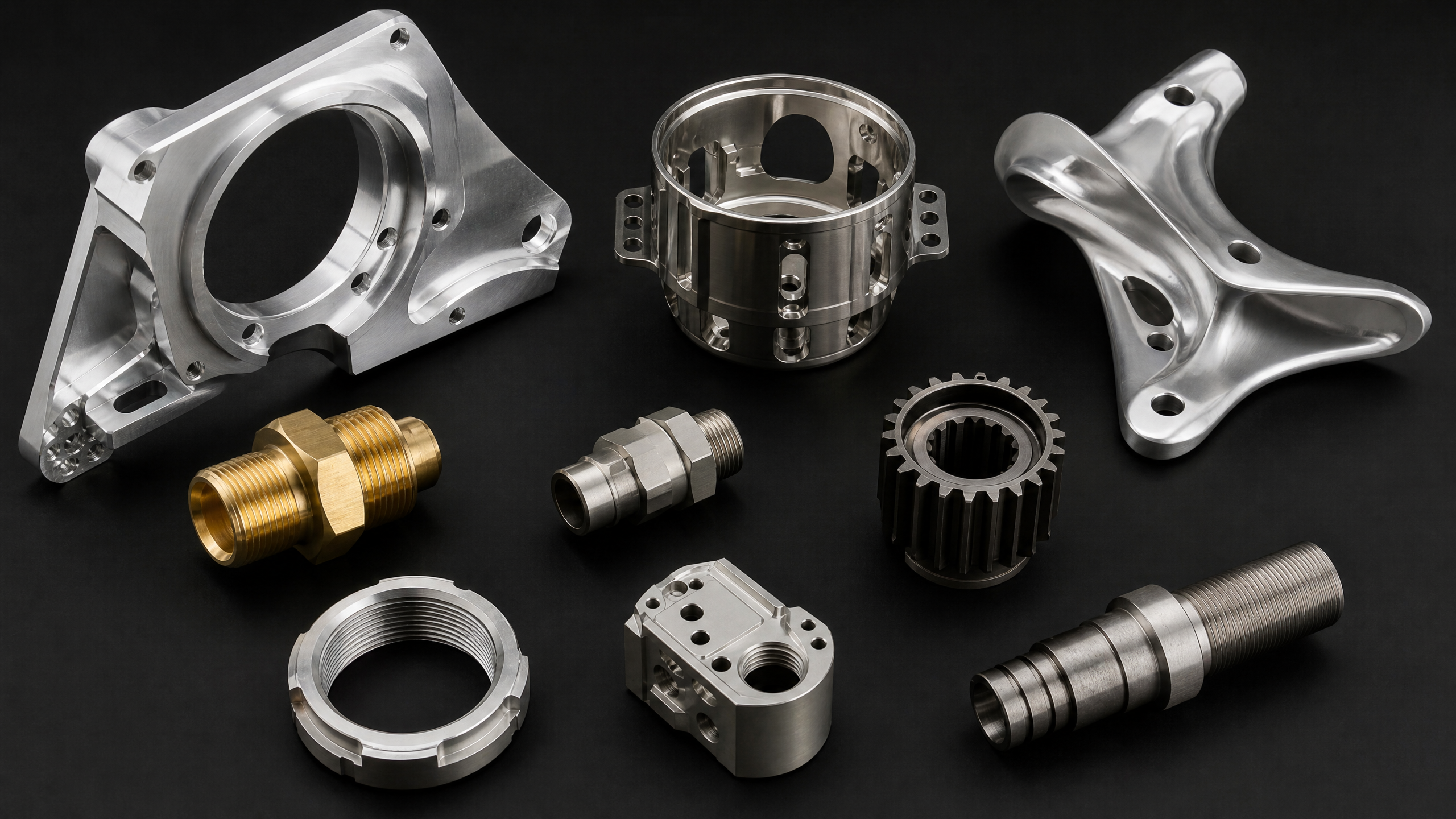
The most common mistake inventors make is designing a prototype without considering how it will be manufactured at scale. Features that are straightforward to machine in a single prototype — deep pockets, tight internal corners, unnecessarily tight tolerances — can multiply your per-part cost by 3x to 5x in production volumes.
Design for Manufacturability (DFM) should begin at the prototype stage, not after. Every feature on your part should answer two questions: Does this feature serve a functional purpose? And can this feature be manufactured efficiently at my target volume? If the answer to either question is no, the feature needs to be reconsidered.
Tolerance specification is the single biggest cost lever in CNC machining. A tolerance of ±0.005" might cost $50 per part. Tightening that same dimension to ±0.001" might cost $150 per part — because it requires slower feed rates, more careful setup, and additional inspection time. Apply tight tolerances only to features where they are functionally necessary.
Material selection also impacts scalability. Your prototype might be machined from 6061-T6 aluminum because it's readily available and easy to machine. But if your production volumes justify it, switching to a free-machining alloy or optimizing your design for a different material could reduce your per-part cost significantly.
The transition from prototype to production typically follows three phases: First, the functional prototype (1-3 parts) validates your design concept. Second, a pilot run (10-50 parts) tests your manufacturing process and identifies issues before committing to larger volumes. Third, production runs (50-500+ parts) benefit from optimized fixturing, tooling, and process parameters.
At 406 Industries, we guide inventors through this entire journey. Because James has taken his own inventions from concept to production, he understands the decisions you'll face at each stage — and he'll help you make them wisely, saving time and money while protecting your design intent.